Cultural heritage preservation
Mastering the legacy of fine arts and heritage
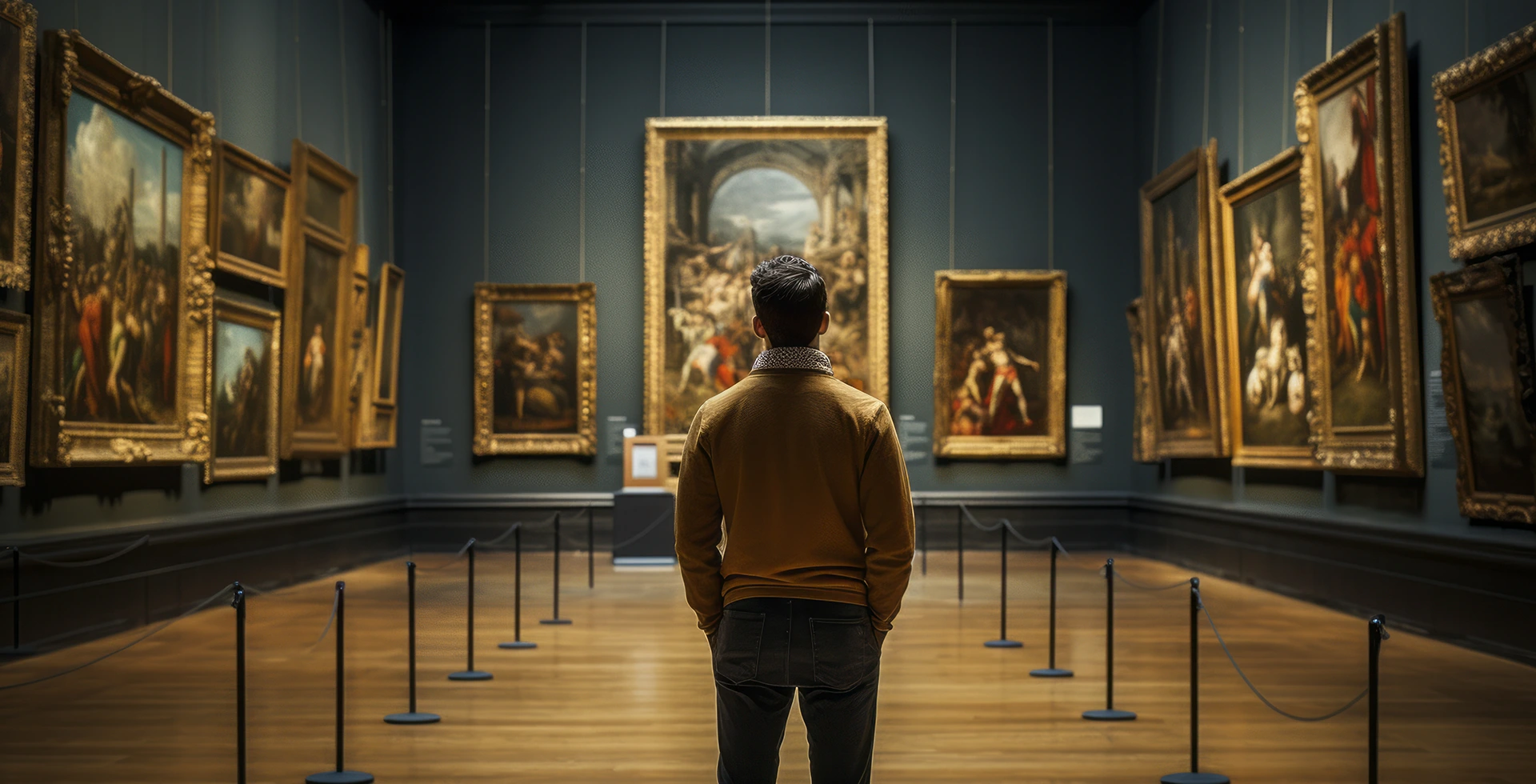
Artistic expression across centuries connects modern observers with the legacy of fine arts through preserved artifacts, curated gallery spaces, and the transmission of classical techniques to new generations of skilled practitioners.
Foundations of classical aesthetics
Enduring standards of beauty
Exploring the depths of classical art history

Understanding classical art requires analyzing the historical and social contexts in which great masters worked, shaping artistic composition, subject matter, and material choices across the Renaissance and Baroque periods, while influencing the western canon.
The evolution of artistic movements reflects changing perceptions of reality, shifting from religious iconography toward the celebration of humanism, nature, and eventually abstraction through form, light, and emotion.
– 01
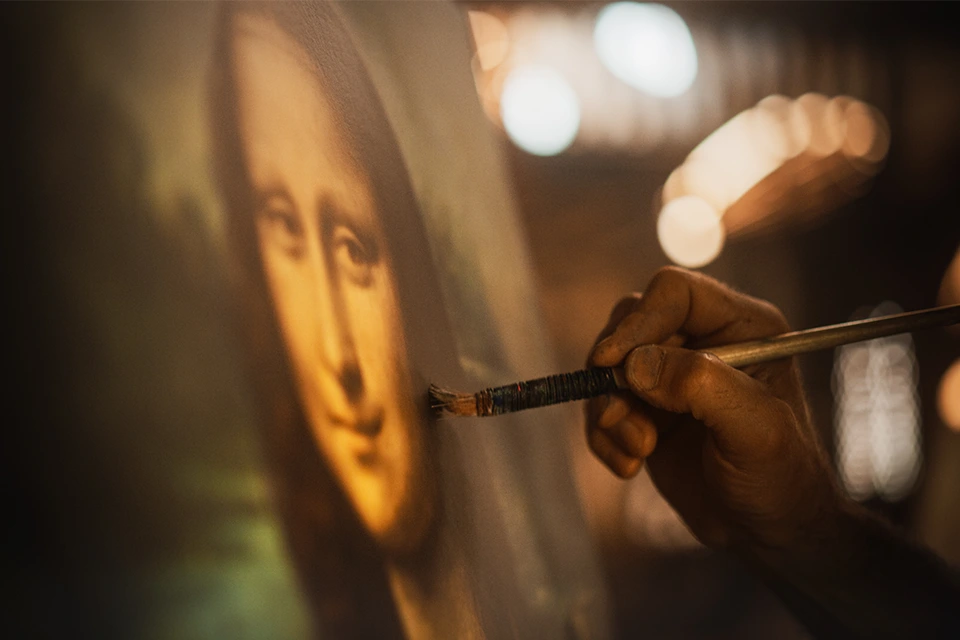
Leonardo da Vinci – Mona Lisa
Every brushstroke captures da Vinci’s subtle intent and emotional depth, while controlled painting technique shapes expression during the painting process.
Studying the Mona Lisa involves examining sfumato layers, the delicate interplay of light and shadow, and the compositional balance that guides the viewer’s gaze, revealing Leonardo’s visual storytelling and artistic mastery.
– 02
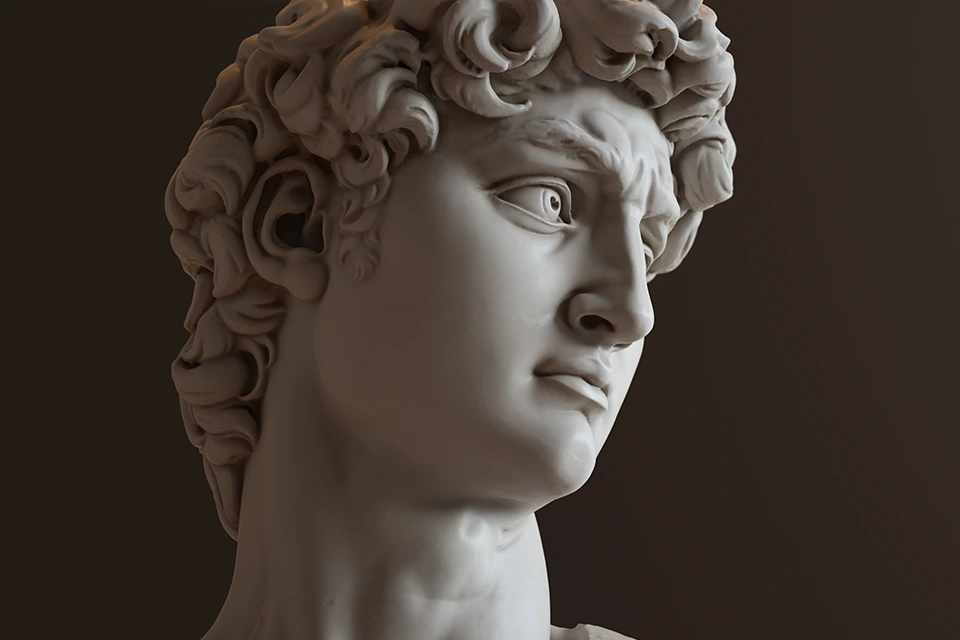
Michelangelo – David
This sculpted masterpiece presents the human form through meticulous anatomical detail and controlled marble craftsmanship.
Appreciating David requires understanding Michelangelo’s manipulation of marble, the tension in muscular contours, and the dynamic posture, showing how sculpture technique conveys artistic mastery and the enduring cultural significance of Renaissance ideals.
– 03
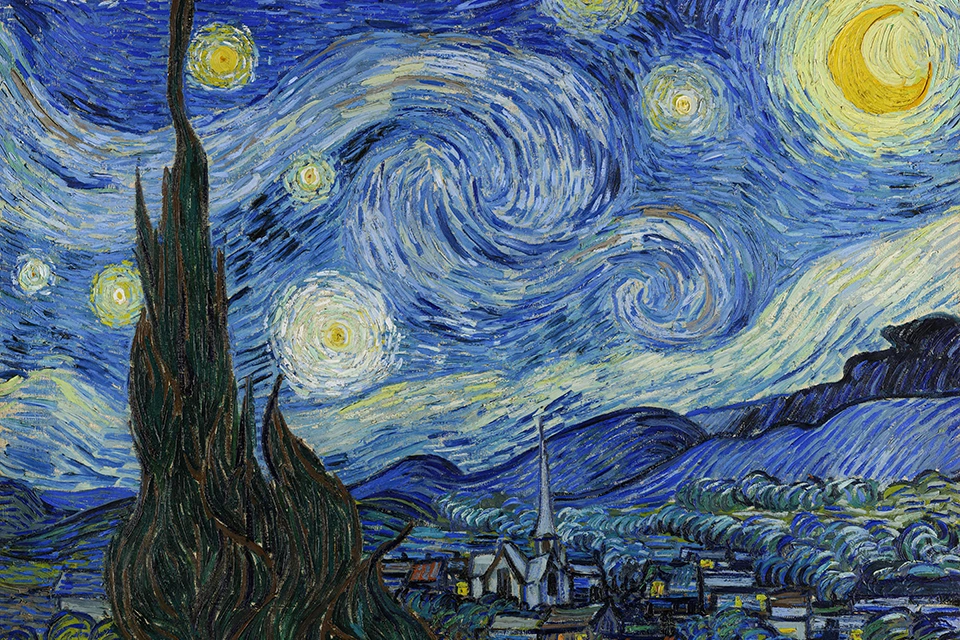
Vincent van Gogh – Starry Night
The painting’s intensity emerges through expressive brushwork and vibrant color contrasts that communicate emotion.
Van Gogh’s technique appears in the swirling skies, layered pigments, and rhythmic patterns that create depth and movement, combining experimentation, a profound understanding of light, and a distinctive approach to landscape composition.
Curating art collections for public delight
A well-curated art collection builds a cohesive narrative, guiding visitors through chronological eras or thematic explorations while revealing the subtle connections between distinct artistic schools, geographical regions, and historical periods.
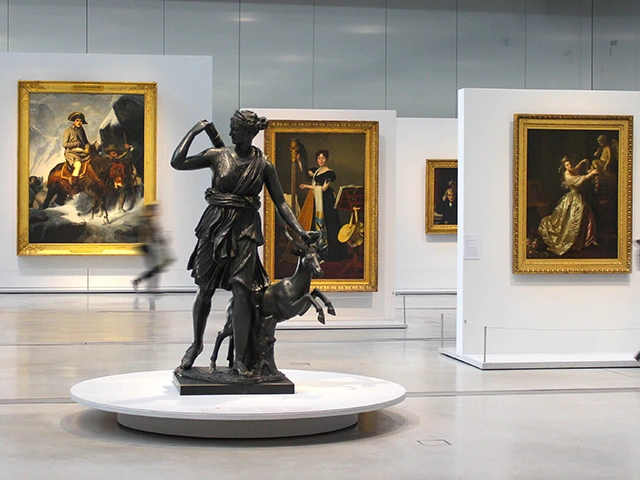
The Louvre’s timeless treasures
Collectors shape art market trends by acquiring rare works with significant provenance and building coherent collections.
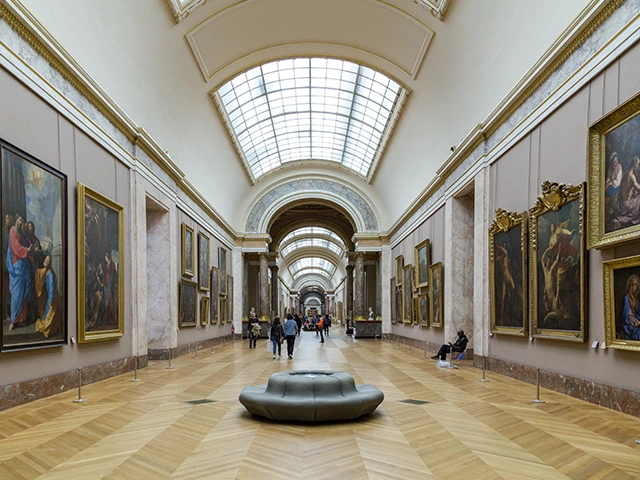
The metropolitan museum experience
Museums display artworks to support public education, interpret museum collections, and preserve cultural identity.
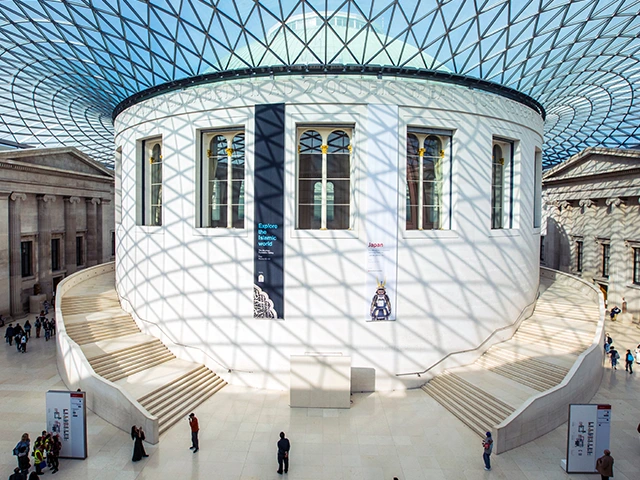
The British museum digital archive
High-resolution digitization helps preserve fragile works in digital archives and makes visual records available for future academic research.
Transmission of artistic knowledge
Academic rigor in art education
Art schools and academies preserve the lineage of craftsmanship through rigorous art training in perspective, anatomy, and color theory, ensuring fundamental techniques are understood before they are broken or reimagined by contemporary students.
The role of criticism in art history
Art criticism connects the creator’s intent with the public’s reception, documenting changing standards of taste and artistic value that influence which works enter the canon over time.
Mastering techniques in classic art
Running a successful gallery requires a fusion of aesthetic judgment and precise art handling, especially for insurance, artwork transport, and installation safety.
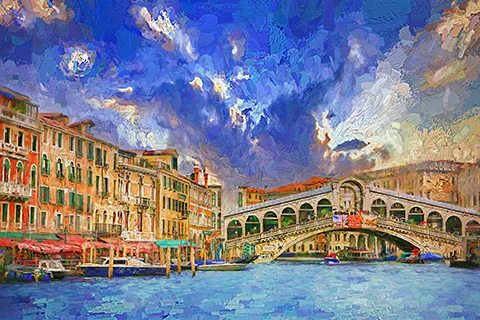
Oil painting precision
Steady brushwork and careful oil layering help produce vibrant colors, controlled texture, and lasting visual depth in every artwork.
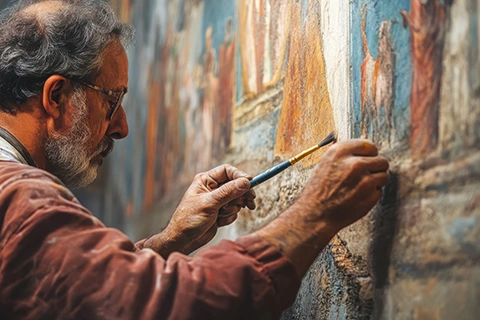
Fresco application methods
Applying pigments to wet plaster requires precise timing, material control, and understanding of chemical interactions to create durable wall art.

Marble sculpting techniques
Marble carving demands sculpting skill, patience, and exact chisel control to reveal fluid forms and intricate details from solid stone.